

Introduction :
A well-pressed suit is the cornerstone of a powerful first impression. Whether you’re dressing for a job interview, a boardroom presentation, or your wedding day, wrinkles and creases can undermine even the finest tailoring. That’s where a quality garment steamer for suits becomes indispensable.
Unlike traditional irons — which press fabric flat and risk scorching delicate fibers — a garment steamer relaxes wrinkles gently using hot steam, making it ideal for wool, silk, linen, and other suit fabrics. In this guide, we cover everything from choosing the right suit care steamer to mastering the technique of how to steam a suit at home or on the road.
Why Use a Garment Steamer Instead of an Iron?
Traditional steam irons work well on cotton shirts, but suits are different. Most men’s and women’s suits are constructed from structured fabrics — wool, wool blends, cashmere, or synthetic suiting materials — that respond poorly to direct heat and pressure. Ironing a suit jacket incorrectly can crush the chest canvas, flatten lapels, create unwanted shine, and permanently damage the fabric weave.
A fabric steamer for formal wear offers several clear advantages:
- No direct contact — steam penetrates fabric without pressing down on it, preserving the suit’s structure and padding.
- Safe for delicate fabrics — wool, cashmere, and silk respond beautifully to gentle steam.
- Kills bacteria and odors — the high-temperature steam sanitizes fabric naturally, perfect for suits worn between dry-cleaning visits.
- Faster setup — no ironing board needed; hang your suit and steam it in place in 2–5 minutes.
- Wrinkle remover for suits — steam relaxes fabric fibers deeply, removing wrinkles that a quick brush-down can’t fix.
“A garment steamer is arguably the single most useful tool a suit-wearer can own. It extends the time between dry-cleaning, preserves fabric life, and keeps you looking impeccable every day.”
Types of Suit Steamers: Which Is Right for You?
When shopping for the right suit steamer, you’ll encounter three main categories. Each suits a different lifestyle and usage pattern.
| Type | Best For | Steam Output | Tank Size | Portability |
|---|---|---|---|---|
| Full-size standing steamer | Daily home use, large wardrobes | High | 1.5–2.5 L | Low |
| Handheld steamer for suits | Quick touch-ups, small spaces | Medium | 150–300 ml | High |
| Travel steam iron for suits | Business travel, hotel rooms | Medium–High | 100–250 ml | High |
Pro Tip
Many frequent travelers own both a full-size steamer for home use and a compact travel steam iron for suits for trips. The combination ensures your suits are always presentation-ready, wherever you are.
How to Steam a Suit : Step-by-Step
Learning how to steam a suit properly takes only a few minutes to master, but the technique matters. Follow these steps for professional results at home:
- Hang the suit on a sturdy hanger. Use a wide, shaped wooden hanger to support the jacket shoulders. Hang it at chest height if possible — a hook on the back of a door works well. For trousers, clip them by the waistband.
- Fill the water tank with clean, cold water. Distilled or filtered water is ideal to prevent mineral buildup in your steamer. Never overfill past the maximum line.
- Heat the steamer for 30–60 seconds until steady steam flows. Most quality steamers reach operating temperature quickly. Run a brief steam burst into the air before touching the fabric to clear any spitting.
- Steam the jacket from top to bottom. Hold the steamer head 1–2 inches from the fabric. Begin at the collar and shoulders, working downward in slow, vertical passes. Use your free hand (covered with a cloth) to lightly smooth fabric behind the steamer head.
- Pay attention to lapels and chest. These structured areas need gentler treatment. Hold the steamer slightly further away and use circular motions to relax wrinkles without over-wetting.
- Steam the trousers. For dress trousers, focus on restoring the front crease. Lightly flatten the crease with your fingers as you steam for crisper results.
- Allow to cool and dry for 10–15 minutes before wearing. Steam-dampened fabric needs time to set. Never wear a freshly steamed suit immediately — the fabric is temporarily weakened when wet.
Important
Never press the steamer head directly against the fabric on a jacket chest or padded shoulders. This can flatten the internal canvas and permanently alter the suit’s shape. Always maintain a gap of at least one inch.
Best Steamer for Wool Suits
Wool is the most common suit fabric and also one of the most forgiving when steamed correctly. A steamer for wool suits should produce consistent, fine steam — not hot blasts that oversaturate the fibers. Look for steamers with adjustable steam intensity so you can dial in the right output for light wool versus heavy tweed or flannel.
Key considerations for wool suit steaming:
- Temperature matters: Wool responds best to temperatures between 130°C and 150°C. Too low and wrinkles won’t release; too high and you risk felting the fibers.
- Don’t oversaturate: Pass quickly — multiple light passes are better than one slow, heavy one. If the fabric feels wet to the touch, you’re moving too slowly.
- Finish with brushing: After steaming and drying, use a natural-bristle suit brush to restore the nap of the wool and remove any lint.
Fabric Guide
Wool tweed / flannel: Use high steam, keep head 2–3 inches away. | Merino wool: Medium steam, gentle passes. | Wool-poly blend: Medium-low steam, avoid prolonged exposure. | Cashmere: Low steam, greatest care — treat like luxury knitwear.
Handheld Steamer for Suits: Compact Power
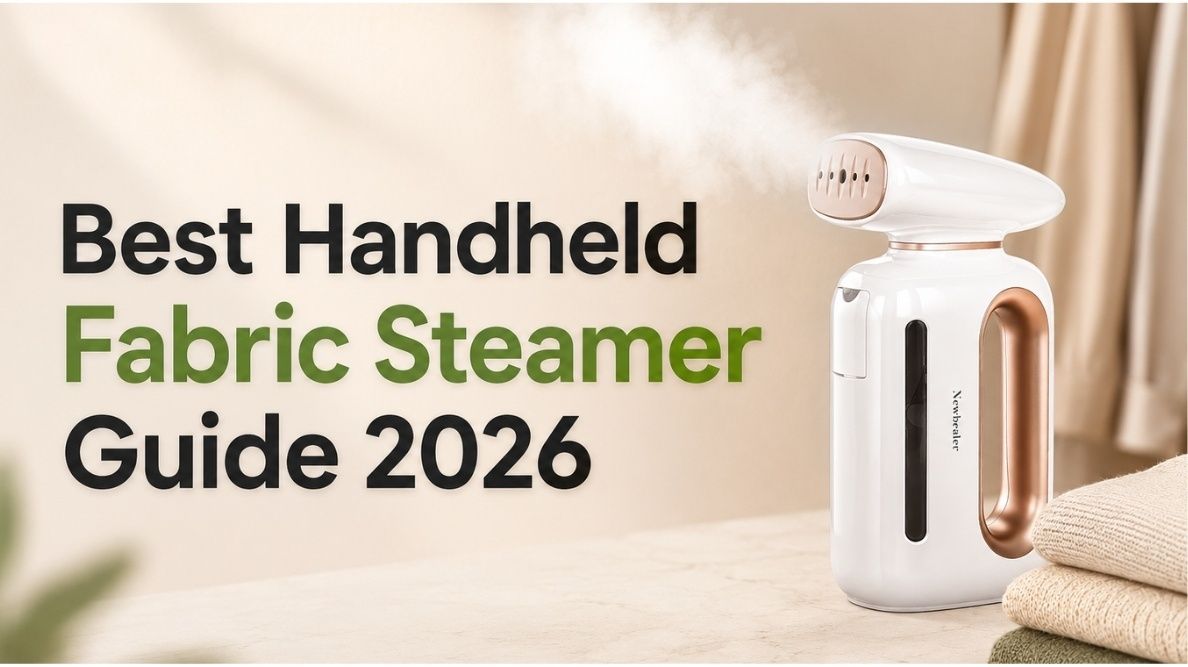
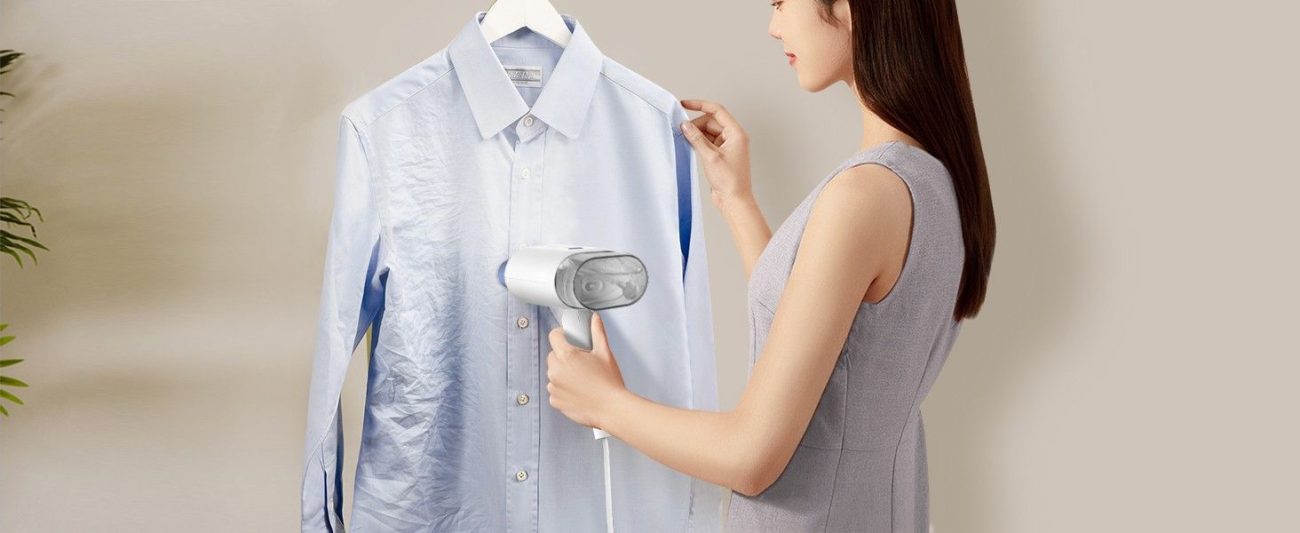
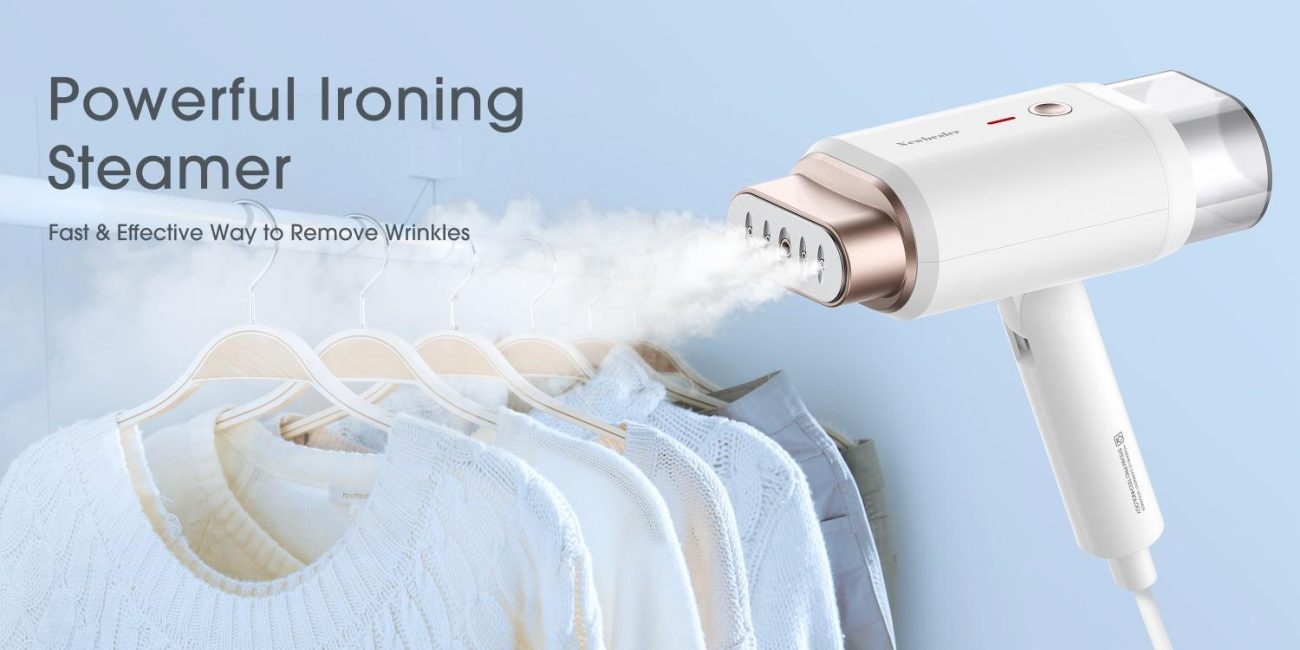
A handheld steamer for suits is the most accessible entry point into garment care. These compact devices are lightweight, quick to heat (usually under 45 seconds), and effective enough for regular wrinkle removal and freshening between dry-cleaning visits.
When evaluating handheld steamers, the most important specs to check are:
- Wattage: 1,000W–1,500W is the sweet spot for suits. Under 800W often produces weak steam that barely affects structured fabrics.
- Continuous steam time: Look for at least 10–15 minutes on a single tank fill — enough to fully steam a two-piece suit.
- Heat-up time: The best models reach full steam in 20–45 seconds.
- Anti-drip technology: Essential for delicate suit fabrics. Water droplets from a poorly designed steamer can cause water stains on wool.
Handheld models are perfect as a wrinkle remover for suits during morning routines, or for a quick refresh before an important meeting. They’re also useful for steaming pocket squares, ties, and dress shirts.
Travel Steam Iron for Suits: On-the-Go Freshness
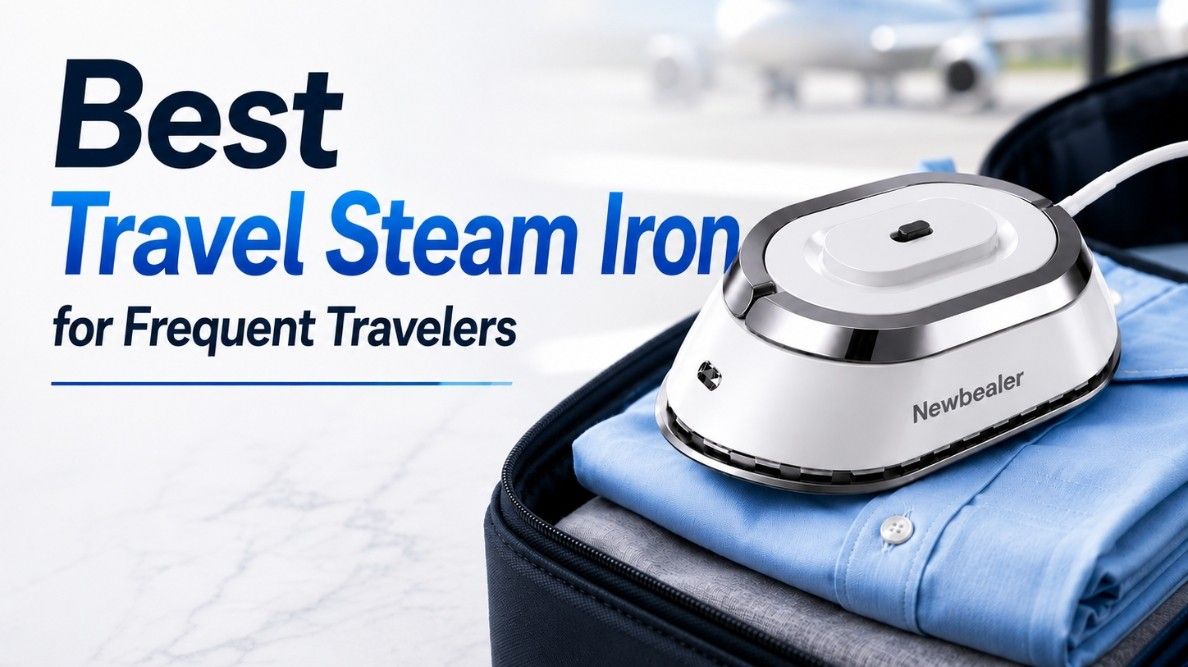
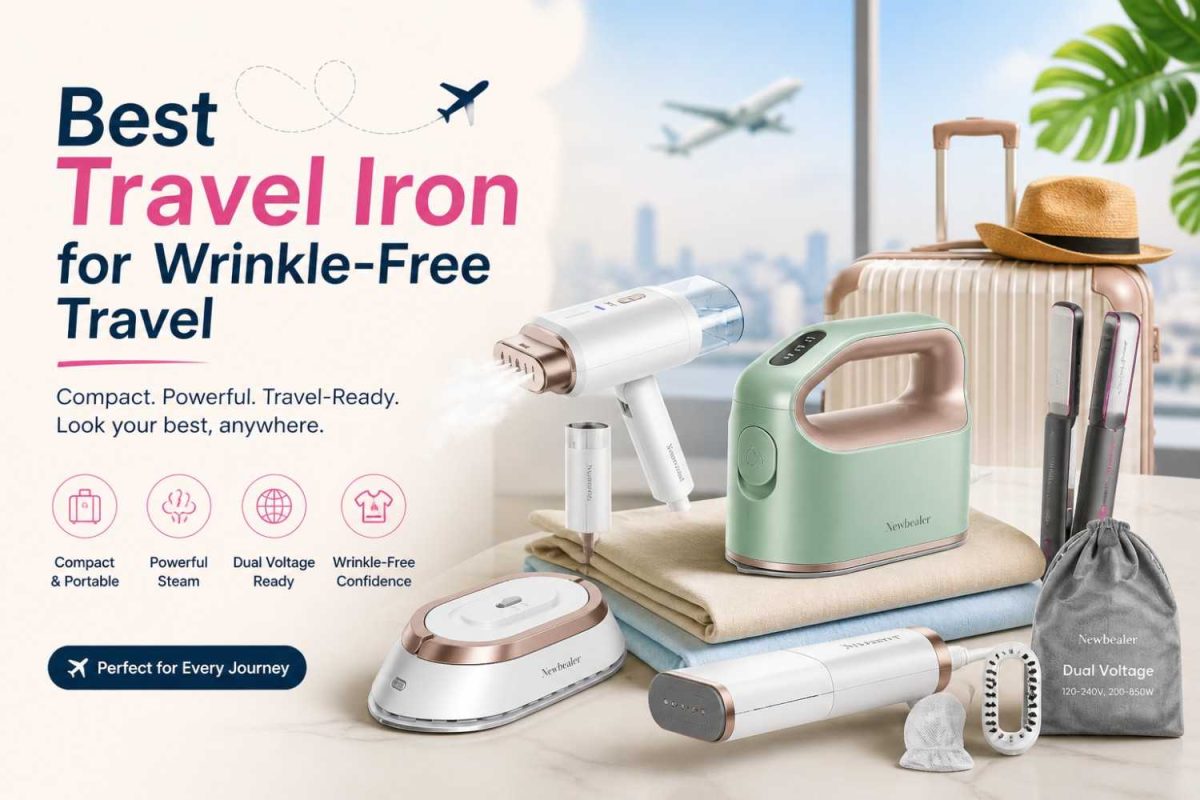
Business travelers know the frustration well: a suit arrives at the destination looking like it spent eight hours compressed inside a carry-on — because it did. The right suit steamer travel tool solves this problem without adding significant weight to your luggage.
What to look for in a travel suit steamer:
- Dual voltage (100–240V): Absolute must for international travel. Single-voltage devices are useless abroad without adapters and can be damaged.
- Compact form factor: Under 500g and small enough to fit in a toiletry bag or shoe pocket of a suitcase.
- Quick heat-up: Hotel rooms are not the place for patience. Models that reach steam in under 30 seconds are worth the premium.
- Leak-proof design: You don’t want your steamer emptying itself into your luggage. A good seal and vertical-only steam output prevents this.
Many travel steam iron for suits models also function as small pressing irons, making them dual-purpose tools for business travelers who need to press shirt collars and cuffs as well as de-wrinkle suit jackets.
Packing Tip
When packing a suit for travel, hang it in the garment bag section of your luggage, fold it with as few creases as possible, and lay it on top of softer items. On arrival, hang the suit in the bathroom during a hot shower — the ambient steam will relax minor creases before you even reach for your travel steamer.
Best Steamer for Wedding Suit
Your wedding day is arguably the most photographed day of your life — and your suit will be in every frame. Choosing the best steamer for wedding suit preparation is not a decision to make the morning of the ceremony.
Wedding suit steaming deserves special attention for several reasons:
- Wedding suits are often rented or purchased specifically for the occasion and may have been stored for weeks in a bag, accumulating storage wrinkles.
- Wedding fabrics often include delicate materials — thin wool, wool-silk blends, or lightweight linen for summer weddings — that require gentle handling.
- The stakes are high: there’s no redo if you scorch the lapel of a rented morning coat.
Wedding Suit Steaming Checklist
- Steam the suit the night before, not the morning of — this gives fabric time to fully dry and set.
- Use a full-size standing steamer for deeper wrinkle penetration if available.
- Steam the waistcoat or vest separately, paying attention to the back strap.
- Hang steamed items overnight in a well-ventilated, dust-free area.
- Lightly re-steam trousers in the morning if needed — 2 minutes maximum.
- Never steam near fragile accessories like boutonnieres or corsages.
Steamer for Business Suits: Daily Maintenance
For professionals who wear suits daily, a steamer for business suits is less a luxury and more a practical investment. Daily steaming replaces the need for frequent dry-cleaning — which is both costly and, over time, damaging to fine wool fibers. Most suit care experts recommend dry-cleaning a quality suit no more than two or three times per year; a suit steamer bridges those gaps.
A smart daily suit care routine using a steamer looks like this:
- After each wear: Hang the suit immediately on a proper wooden hanger. Let it breathe for at least one hour before returning it to the wardrobe.
- Every 2–3 wears: A quick 3-minute steam session to refresh the fabric, remove light creases, and neutralize any odors absorbed during the day.
- Weekly: A full steaming session for both jacket and trousers, followed by brushing with a quality suit brush.
- Monthly: Rotate the suit to the back of the wardrobe rotation to allow the fabric to recover its shape fully.
Garment Steamer for Blazers & Fabric Steamer for Formal Wear
The same principles that apply to full suits extend perfectly to blazers, sport coats, and other formal outerwear. A garment steamer for blazers is essential for keeping these structured pieces looking tailored and sharp, especially for blazers worn frequently with denim or chinos — combinations that are hard-wearing on the jacket.
As a fabric steamer for formal wear, your steamer should be versatile enough to handle the full spectrum of occasion dressing:
- Morning coats and tuxedos — formal evening wear benefits enormously from steaming, as these pieces are typically stored for months between events.
- Dress uniforms — military and hospitality uniforms with specific crease requirements can be refreshed with steam before professional pressing.
- Academic gowns and robes — often stored folded for years, these respond well to prolonged steaming sessions before graduation ceremonies.
Suit Steamer Buying Guide: Key Features to Compare
Ready to invest in a suit care steamer? Here are the features that actually matter when comparing models:
| Feature | Budget Pick | Mid-Range | Premium Choice |
|---|---|---|---|
| Wattage | 800–1,000W | 1,000–1,500W | 1,500–2,400W |
| Tank size | 100–150 ml | 200–350 ml | 400 ml+ |
| Heat-up time | 60–90 seconds | 30–60 seconds | 20–40 seconds |
| Continuous runtime | 7–10 min | 12–20 min | 20–45 min |
| Anti-drip | Sometimes | Yes | Yes + auto-shutoff |
| Dual voltage | Rarely | Often | Standard |
Other Features Worth Noting
- Attachable fabric brush: Helps lift the nap on wool and velvet while steaming — excellent for fine suits.
- Crease attachment: A flat metal plate that clips onto the steamer head to create sharp trouser creases.
- Auto-shutoff: An important safety feature, especially for handheld models left unattended.
- Indicator light: Signals when the unit is ready to steam — prevents premature use that results in spitting water.
Our Recommendation
For most people, a mid-range handheld steamer with 1,200W–1,500W output and an anti-drip system covers all everyday suit care needs. Frequent travelers should add a compact dual-voltage travel model to their kit. Power users with large wardrobes will appreciate the speed and capacity of a full-size standing steamer.

Final Thoughts
Investing in the right garment steamer for suits is one of the smartest decisions any suit-wearer can make. Whether you’re looking for a powerful home unit to maintain a large business wardrobe, a compact handheld steamer for suits for quick daily use, or a travel-ready model to keep your look sharp on the road, there’s a steamer perfectly matched to your needs and budget.
The key takeaways: match the steamer’s wattage to your fabric weight, always allow the suit to dry completely before wearing, and use your steamer as a tool for routine maintenance rather than emergency rescue. A suit that’s cared for consistently — brushed, hung properly, and steamed regularly — will look and feel better for years longer than one that’s neglected between infrequent dry-cleaning visits.
We hope this guide helps you find the ideal suit care steamer for your lifestyle. For product reviews, comparisons, and suit care tips, visit Newbealers.com.
FAQ
Yes, most fabrics like wool, cotton, and linen are safe. Use low steam for delicate fabrics like silk.
Steam every 3–5 wears. Light steaming after each use helps keep it fresh.
Yes, steamers are safer for suits. Use an iron only for sharp trouser creases.
No. It removes wrinkles and odor but not deep stains. Dry clean 2–3 times a year.
Use distilled or filtered water to avoid residue and damage.
Around 5–8 minutes, plus 10–15 minutes drying time.