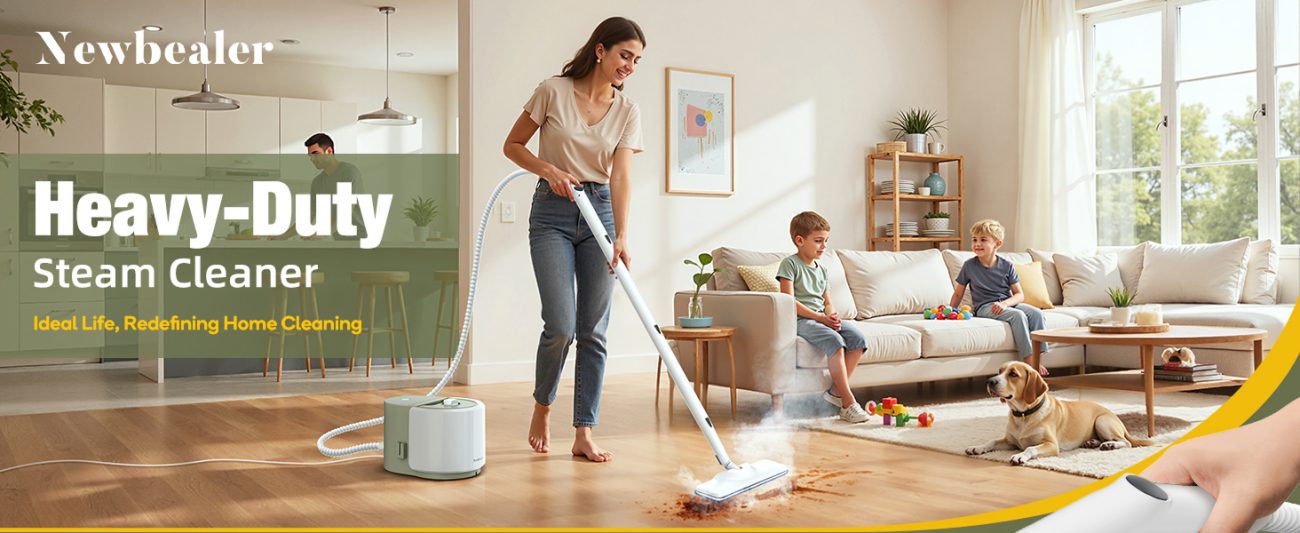

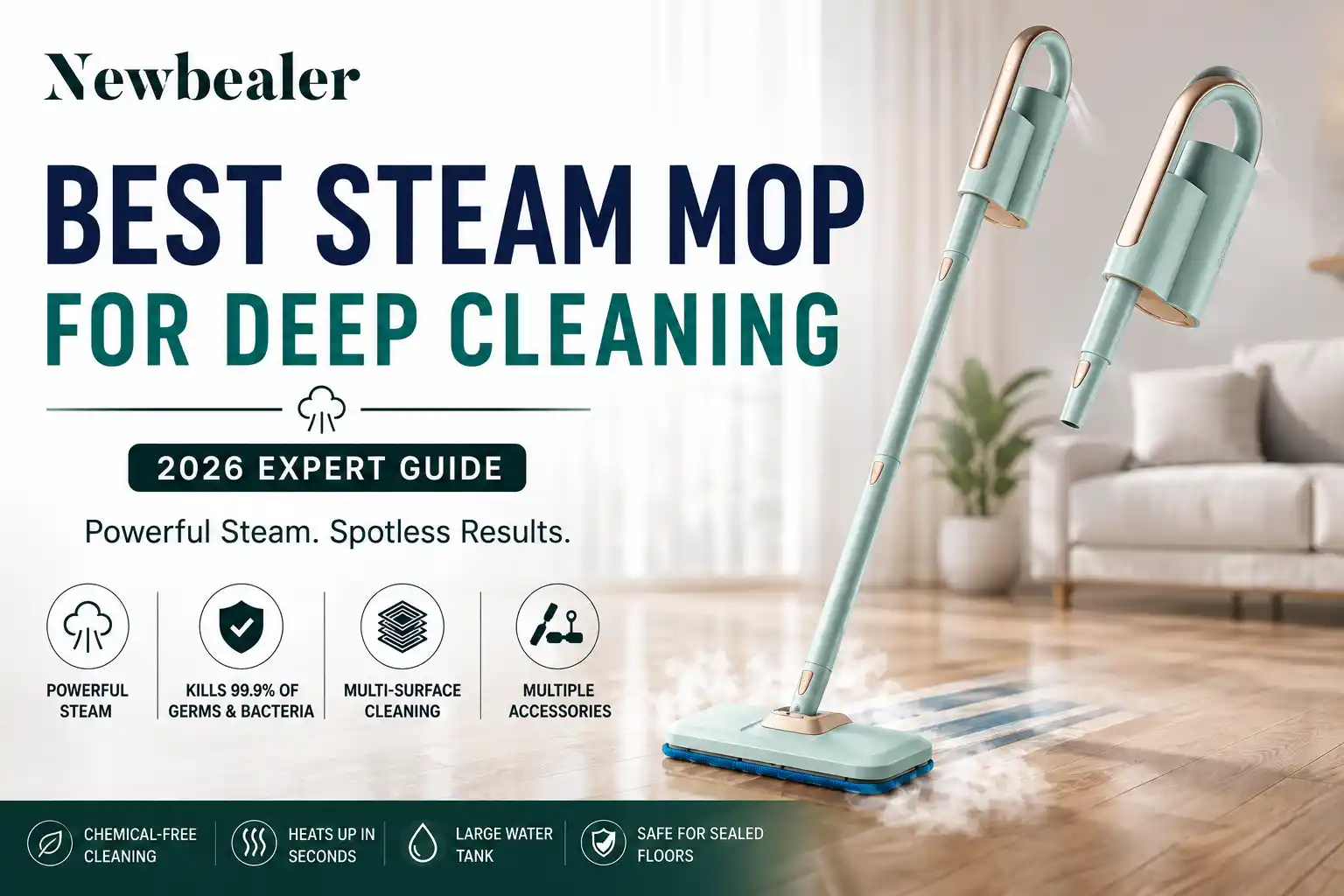
Shopping for the best steam mop can feel harder than it should be. Every listing promises “deep cleaning power,” but very few explain what that actually means once the mop is in your hands. This guide breaks down how steam mops work, what genuinely affects cleaning performance, and how to choose the right one for your floors — whether you’re mopping daily or tackling a true deep clean.
Table of Contents
- What Is a Steam Mop and How Does It Work?
- Why Choose a Steam Mop for Deep Cleaning?
- Key Features to Look for in the Best Steam Mop
- How Steam Temperature and Pressure Affect Cleaning
- Best Steam Mop Features for Everyday Home Cleaning
- Can a Steam Mop Clean Different Types of Surfaces?
- Steam Mop vs. Traditional Mopping: Which Is Better?
- How to Use a Steam Mop for Better Cleaning Results
- Common Steam Mop Buying Mistakes to Avoid
- Frequently Asked Questions About the Best Steam Mop
1. What Is a Steam Mop and How Does It Work?
A steam mop heats water in a sealed tank until it turns into vapor, then pushes that vapor through a microfiber pad pressed against your floor. The heat loosens dried-on dirt, grease, and grime, while the microfiber pad lifts it away — all without a bucket, a cleaning solution, or standing water left behind.
Most models reach working temperature in well under a minute. Once the tank is up to heat, the appliance releases a steady stream of vapor as you glide the mop head across the floor, and a swivel neck helps it turn around furniture legs and into corners without extra effort.
The technology itself isn’t new, but the way today’s models are built — lighter frames, adjustable steam dials, and detachable handheld units — has made steam cleaning a realistic option for everyday households, not just a niche appliance.
2. Why Choose a Steam Mop for Deep Cleaning?
“Deep cleaning” means going past the surface layer of dust to the dried-on grime that’s been building up in grout lines, baseboards, and high-traffic paths for weeks. A quick sweep or a damp mop pushes that grime around. Steam is different — the heat softens it, and the pad physically lifts it off the floor.
This is exactly where the best steam mop for deep cleaning earns its reputation. Because it uses heat instead of chemical solvents, it works well on things a regular mop struggles with: sticky kitchen floors, grease near the stove, grout haze in bathrooms, and general buildup in homes that don’t get a deep clean often enough.
- Loosens dried-on grime that a damp mop only smears around
- Reaches into grout lines and seams that a flat mop head can’t access
- Sanitizes with heat instead of relying on chemical cleaners
- Dries quickly, so there’s less downtime after a big cleaning session
For a quarterly deep clean, or simply catching up after a busy season, steam gives you a level of cleaning power a spray bottle and a rag can’t match.
3. Key Features to Look for in the Best Steam Mop
Not every steam mop is built the same way, and the features that matter most depend on how you plan to use it. Here’s what’s worth comparing before you buy.
Adjustable Steam Settings
A single fixed-output mop can be too aggressive for laminate or delicate hardwood. Look for a model with at least two or three steam levels so you can turn intensity up for tile and down for wood.
Detachable Handheld Unit
A handheld steam mop attachment turns one appliance into two tools — the upright unit for floors, and a compact handheld steamer for counters, grout, upholstery, and tight corners a mop head can’t reach.
Water Tank Capacity
A larger tank means fewer refill trips. If you’re cleaning an open-plan home in one session, prioritize a model built for extended run time rather than a small tank meant for quick touch-ups.
Mop Pad Type and Included Attachments
Reusable microfiber pads are the more economical long-term choice, since they can be machine washed and reused hundreds of times. Some steam mops, like Newbealer’s 9-in-1 steam mop, also include brushes, a squeegee, and a jet nozzle for glass, upholstery, and tight gaps — useful if you want one appliance to cover more than just floors.
4. How Steam Temperature and Pressure Affect Cleaning
Steam mop performance really comes down to two things: how hot the steam is, and how consistently the appliance delivers it. Higher heat breaks down stuck-on grease and grime faster, and a steady, well-regulated stream cleans more evenly than a mop that sputters or loses pressure mid-pass.
Newbealer’s 9-in-1 steam mop, for example, runs a 1200W motor that produces steam at up to 248°F, with three adjustable levels so you can match intensity to the job — light for daily dust, higher for stuck-on kitchen grease. That kind of adjustability matters more than raw temperature alone, since the ideal setting changes depending on the surface you’re cleaning.
Pressure matters too. A mop that maintains even steam output as you move keeps grime loosening consistently, rather than leaving patches that needed a second pass. If a listing doesn’t mention adjustable settings at all, assume it runs on a single fixed output — fine for light upkeep, but less flexible for genuine deep cleaning.
5. Best Steam Mop Features for Everyday Home Cleaning
Deep cleaning gets the spotlight, but most steam mop use happens between deep cleans — quick passes to keep floors presentable day to day. A steam mop built for steam mop for everyday cleaning should prioritize convenience over raw power.
- Fast heat-up time — ideally under 30 seconds, so a quick clean doesn’t turn into a waiting game
- Lightweight frame — easier to maneuver for shorter, more frequent sessions
- Swivel head — glides around table legs and kitchen islands without extra strokes
- Low steam setting — gentler daily cleaning that won’t over-wet the floor
- Compact upright storage — makes it easy to grab for a five-minute clean rather than a planned chore
A mop that’s genuinely easy to reach for daily gets used far more often than one reserved for occasional deep cleans — and consistent light cleaning is what keeps grime from building up between those bigger sessions in the first place.
6. Can a Steam Mop Clean Different Types of Surfaces?
Steam mops are built for best steam mop for floors use across most sealed hard flooring, but not every surface reacts the same way to heat and moisture. Here’s a quick breakdown.
| Surface | Steam Safe | Notes |
|---|---|---|
| Ceramic & Porcelain Tile | Yes | Excellent for lifting grime from grout lines |
| Sealed Hardwood | With caution | Use the lowest steam setting and quick passes |
| Laminate | With caution | Excess moisture can affect seams over time |
| Vinyl Plank (LVP) | Yes | Safe on modern click-lock vinyl |
| Linoleum | Yes | Effective cleaning without chemical buildup |
| Unsealed Wood / Waxed Floors | No | Steam and moisture can damage the finish |
A steam mop with a detachable handheld attachment also extends cleaning beyond floors — countertops, bathroom tile, and upholstery with the right attachment — which is part of why 2-in-1 designs have become the standard rather than the exception.
7. Steam Mop vs. Traditional Mopping: Which Is Better?
A bucket-and-mop routine has been the default for decades, but it comes with real trade-offs once you compare it directly to steam cleaning.
| Feature | Steam Mop | Traditional Mop |
|---|---|---|
| Cleaning Method | High-temperature steam | Water and detergent |
| Chemical Use | None required | Usually needed |
| Drying Time | Fast | Slower, often leaves puddles |
| Grime on Grout Lines | Lifted directly | Often just pushed around |
| Ongoing Cost | Water only, reusable pads | Detergent and bucket refills |
Traditional mopping still has a place for very light, quick touch-ups. But for genuine dirt removal and sanitizing without chemical residue, a steam mop is the more capable tool on sealed hard floors.
8. How to Use a Steam Mop for Better Cleaning Results
- Sweep or vacuum first. Steam lifts grime effectively, but it isn’t meant to clear loose debris — clearing it first stops the mop from just pushing dirt around.
- Fill the tank with clean water. Avoid additives unless your model specifically allows them, since some solutions can clog the steam mechanism.
- Let it fully heat up. Most steam mops reach working temperature in under 30 seconds — rushing this step means weaker steam output.
- Match the steam setting to the floor. Higher output for tile and stone, lower for laminate and sealed hardwood.
- Work in slow, overlapping passes. Rushing across the floor leaves streaks and missed grime rather than a genuine deep clean.
- Focus extra time on high-traffic zones. Entryways, kitchens, and hallways usually carry the most buildup.
- Swap or rinse the pad when it looks soiled. A dirty pad just redistributes grime instead of lifting it away.
- Let the floor air dry fully before walking on it, and store the mop upright so no water pools near the steam plate.
9. Common Steam Mop Buying Mistakes to Avoid
- Choosing on price alone. The cheapest model often skips adjustable steam settings entirely, limiting what surfaces it can safely clean.
- Ignoring tank size. A tiny tank means constant refills in a larger home, which adds up over a full cleaning session.
- Overlooking pad type and cost. Disposable-only pads add ongoing expense; reusable microfiber pads pay for themselves over time.
- Skipping the floor compatibility check. Not every steam mop is rated for every surface — confirm compatibility before your first use.
- Not planning for maintenance. Mineral buildup and worn seals are common over time; if you run into performance issues down the line, a steam mop troubleshooting guide can help you diagnose the cause before assuming the unit needs replacing.
Ready to Find Your Best Steam Mop?
See Newbealer’s full lineup of 2-in-1 and 9-in-1 steam mops, built for everyday cleaning and genuine deep cleaning alike.
Explore Newbealer Steam Mops