

You finally have a steam mop in your home — one of the best cleaning upgrades you can make. But owning one and using it correctly are two very different things. Poor technique leads to streaky floors, wasted water, and results no better than a bucket-and-mop. This guide fixes that. Below you will find a clear, step-by-step method for getting a professional-grade clean every single time — no chemicals, no guesswork, no mess.
Whether you just unboxed your first machine or want to get more out of the one you already own, read on. And if you are still looking for the right model, browse the full range of Newbealer steam mops before you start — picking the right mop for your floor type makes everything easier.
What Is a Steam Mop and How Does It Work?
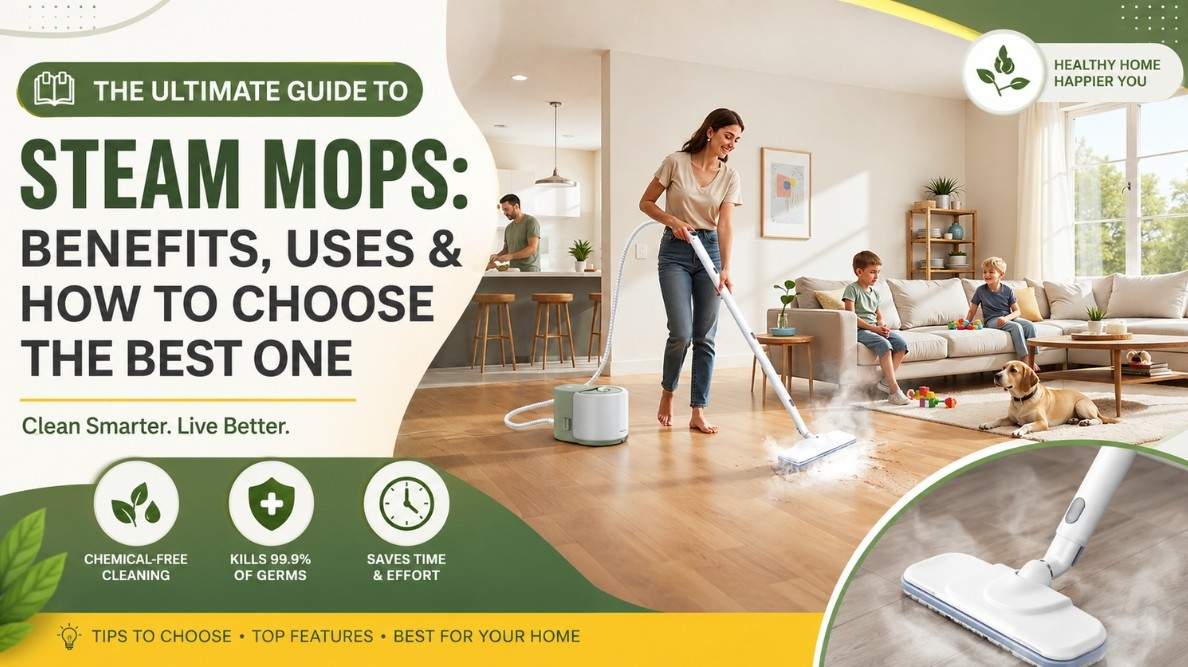
A steam mop heats water inside a built-in reservoir to temperatures between 120°C and 180°C, converting it into pressurised steam that flows through a microfibre cleaning pad attached to the mop head. That superheated steam penetrates the floor surface, loosening grease, dissolving dried grime, and killing up to 99.9% of bacteria — with nothing but water.
Unlike a traditional mop that simply moves dirty water around, a steam mop lifts soil into the pad and leaves floors almost completely dry within minutes. For households with children, pets, or allergy sufferers, it is one of the most hygienic floor-cleaning tools you can own.
Did you know? Steam at temperatures above 100°C destroys the cellular structure of common bacteria, mould spores, and dust mites — making a steam mop significantly more hygienic than any chemical floor cleaner.
Before You Start: 3 Quick Preparation Steps
Skipping prep is the number one reason steam-mopped floors look streaky. These three steps take under five minutes and transform your results.
Steam moisture turns loose dust and hair into a paste that smears across the floor. Always remove dry debris before steaming.
Not every floor is steam-safe. Check your floor type before you begin — unsealed hardwood and waxed surfaces can be damaged by heat and moisture.
A dirty pad re-deposits bacteria onto your floor. Always begin with a freshly washed microfibre pad or a brand-new disposable pad.
How to Use a Steam Mop: Complete Step-by-Step Guide
Follow these steps in sequence for streak-free, deeply sanitised floors every time.
Fill the water tank with cold tap water
Remove the water reservoir and fill it to the MAX fill line using cold, clean tap water. Never overfill, never use hot water, and — critically — never add detergent, vinegar, or essential oils. Steam mops are engineered for plain water only. If you live in a hard-water area, distilled or filtered water will dramatically reduce limescale buildup inside the boiler and extend the life of your appliance.
Attach a clean mop pad to the cleaning head
Press a fresh microfibre or disposable pad firmly onto the mop head, securing all velcro tabs evenly. A loose pad creates uneven steam distribution and leaves wet patches on the floor. Starting each session with a clean pad is one of the most important habits for consistent, streak-free results.
Plug in and wait for the ready indicator
Connect the mop to a grounded wall outlet and power it on. Most models reach operating temperature in 20–30 seconds. Wait for the indicator light or audible signal before placing the mop head on the floor. Pressing it against the surface while still heating can cause water to drip rather than steam — wetting the pad prematurely and reducing cleaning effectiveness.
Choose the correct steam level for your floor type
Use the lowest setting for sealed hardwood and delicate laminate. Select a medium setting for ceramic or porcelain tile and vinyl. Switch to the highest setting for bathroom tile, grout lines, or a kitchen floor with heavy grease buildup. Matching steam output to your floor type protects delicate surfaces while ensuring tough jobs get the power they need.
Mop slowly from the back of the room toward the door
Start at the far end of the room and work backwards toward the exit — this ensures you never walk on freshly steamed floor. Use slow, straight strokes at roughly the pace of a relaxed walk, and overlap each pass by a few centimetres for full coverage. For dried-on spills or sticky residue, pause and hold the mop head still over the spot for 2–3 seconds before continuing. The concentrated steam softens the buildup, allowing it to wipe away cleanly without any scrubbing.
Replace the pad when it becomes visibly soiled
If the pad darkens noticeably before you finish a room, swap it out for a clean one. A saturated or dirty pad reduces steam flow and risks smearing soil back across the surface. As a practical rule: use one pad per average-sized room, and always swap pads between the bathroom and other areas to prevent cross-contamination.
Switch off, unplug, and drain the water tank
Once you finish, power off and unplug the mop immediately. Allow it to cool for at least 15 minutes before handling the water tank, then drain any remaining water completely. Leaving water standing inside the boiler encourages mineral deposits and bacterial growth — draining after every use is the single most important maintenance habit for keeping your steam mop performing at its best for years.
Safety note: Never direct the steam nozzle toward people, animals, or electrical outlets. Steam at operating temperature causes burns on contact with skin. Always keep the power cord away from the mopping path to avoid tripping.
Which Floors Can You Use a Steam Mop On?
Steam is powerful — which is why knowing your floor type before you start matters. Here is a clear reference guide:
- Ceramic & porcelain tile
- Sealed hardwood floors
- Sealed stone (marble, granite)
- Vinyl, LVT & LVP planks
- Laminate (low steam setting)
- Linoleum & sealed concrete
- Unsealed or waxed hardwood
- Unsealed natural stone
- Carpet (without carpet glider)
- Painted or varnished surfaces
- Bamboo (check manufacturer)
- Laminate with visible seam gaps
Pro tip: Always check your flooring manufacturer’s care guide before using a steam mop for the first time. Steam heat can void certain flooring warranties when used on incompatible surfaces.
Expert Tips to Get the Best Results from Your Steam Mop
Correct technique takes a standard steam clean to a genuinely professional level. These four habits make the biggest practical difference:
Frequently Asked Questions About Steam Mops
Can I add soap, detergent, or essential oils to the water tank?
No. Steam mops are designed for plain water only. Any additive — including vinegar, soap, or scented oils — can corrode internal seals, block the steam nozzle, and void your warranty. A drop of essential oil on the mop pad itself is a safe workaround for a light scent, but always check your manufacturer’s guidance first.
Why is my steam mop leaving streaks on the floor?
Streaking is almost always caused by one of three things: a dirty mop pad, moving too quickly, or skipping the pre-sweep step. Replace the pad, slow your pace, and ensure the floor is thoroughly vacuumed first. Persistent streaking can also indicate a partially blocked steam nozzle — clear it with the included cleaning pin or a toothpick.
Is steam mopping safe around pets and young children?
Yes — once the floor has dried. Because steam cleaning uses no chemical detergents, there is no toxic residue left on the surface, making it far safer for crawling babies and pets than chemical-based mopping. Allow 3–5 minutes for floors to dry completely before letting children or animals walk on them.
How often should I steam mop my floors?
For most households, once or twice a week keeps floors consistently hygienic. High-traffic areas like kitchens and hallways may benefit from more frequent passes. Combining a daily vacuum or sweep with a twice-weekly steam clean is the most efficient routine for truly germ-free floors year-round.
Final Thoughts
Using a steam mop correctly comes down to a handful of consistent habits: always sweep before you steam, use plain cold water, wait for the ready signal, match the steam level to your floor type, and drain the tank after every session. These steps take less than two minutes in total and make the difference between floors that merely look clean and floors that genuinely are clean.
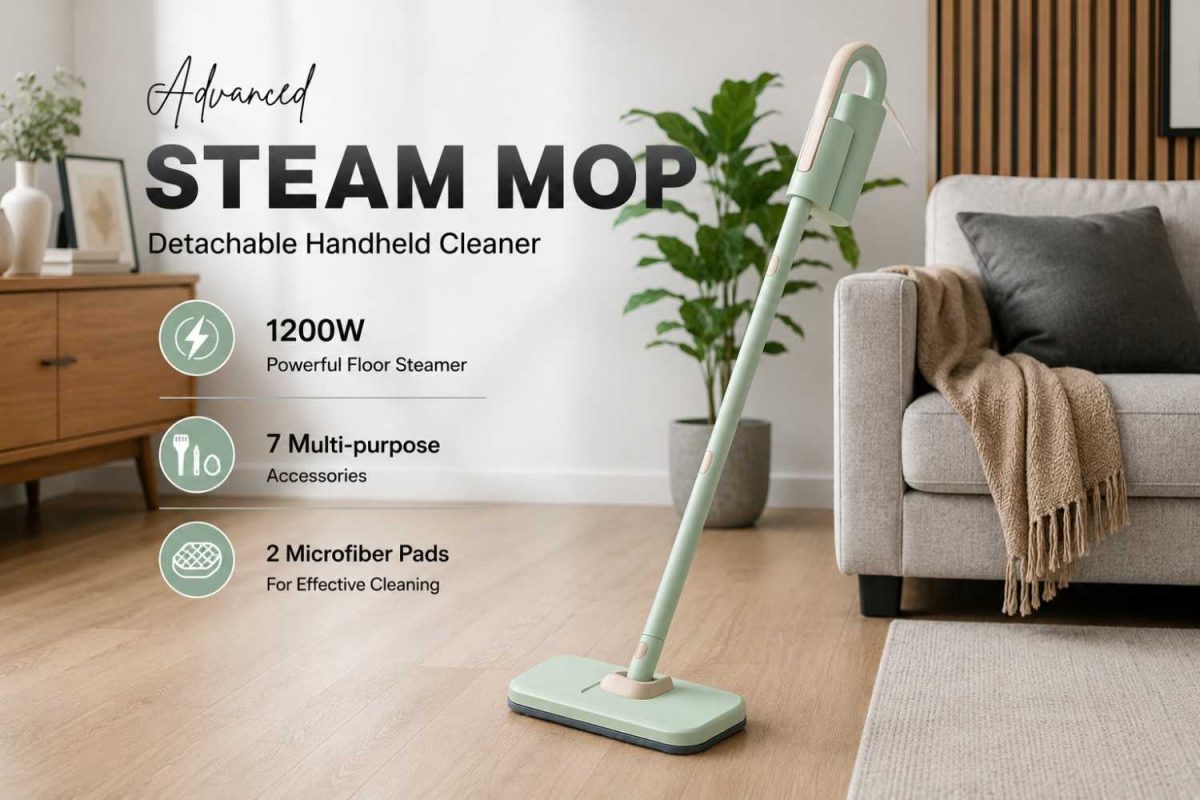
The reward is a faster, chemical-free clean that sanitises as it shines — with floors dry in minutes, not hours. If you have not yet found the right model for your home, explore the full collection of steam mops at Newbealer — from lightweight everyday models to advanced multi-function units with detachable handheld steamers. There is no reason to go back to a bucket and mop.
Ready to Clean Smarter?
Browse the complete Newbealer steam mop collection — featuring advanced models with detachable handheld steamers, multi-level steam control, and compatible mop pad kits for every floor type.
Shop All Steam Mops →