

Table of Contents
- What Is a Travel Iron?
- Why the Right Travel Iron Matters
- How Does a Travel Iron Work?
- Key Features of the Best Travel Iron
- Dual Voltage Explained
- Steam vs. Dry Ironing for Travel
- Which Travel Iron Fits Your Trip?
- What Mistakes Should You Avoid?
- How to Choose the Best Travel Iron
- Frequently Asked Questions
Most people pick a travel iron the same way they pick a phone charger: fast, cheap, and without much thought. Then the iron leaks, heats slowly, or stops working on foreign voltage. Choosing the best travel iron takes a little more care, but the checklist is short. Once you know what matters, you can compare any travel iron in minutes. Here is a clear, practical way to decide before your next trip.
1. What Is a Travel Iron?
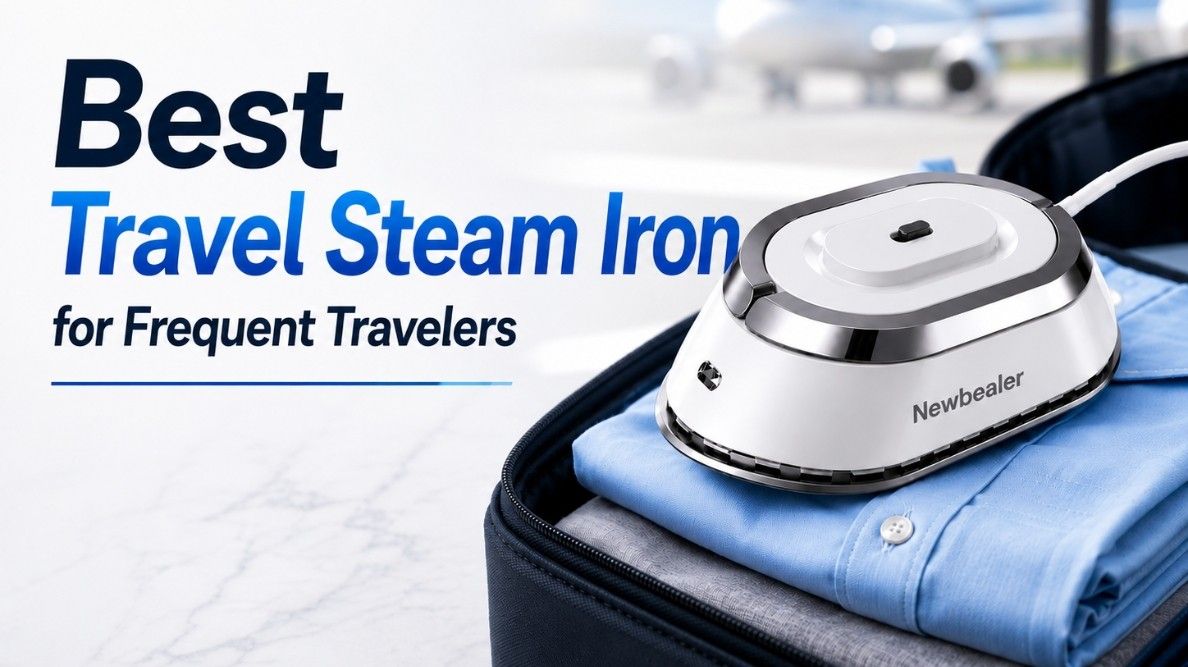
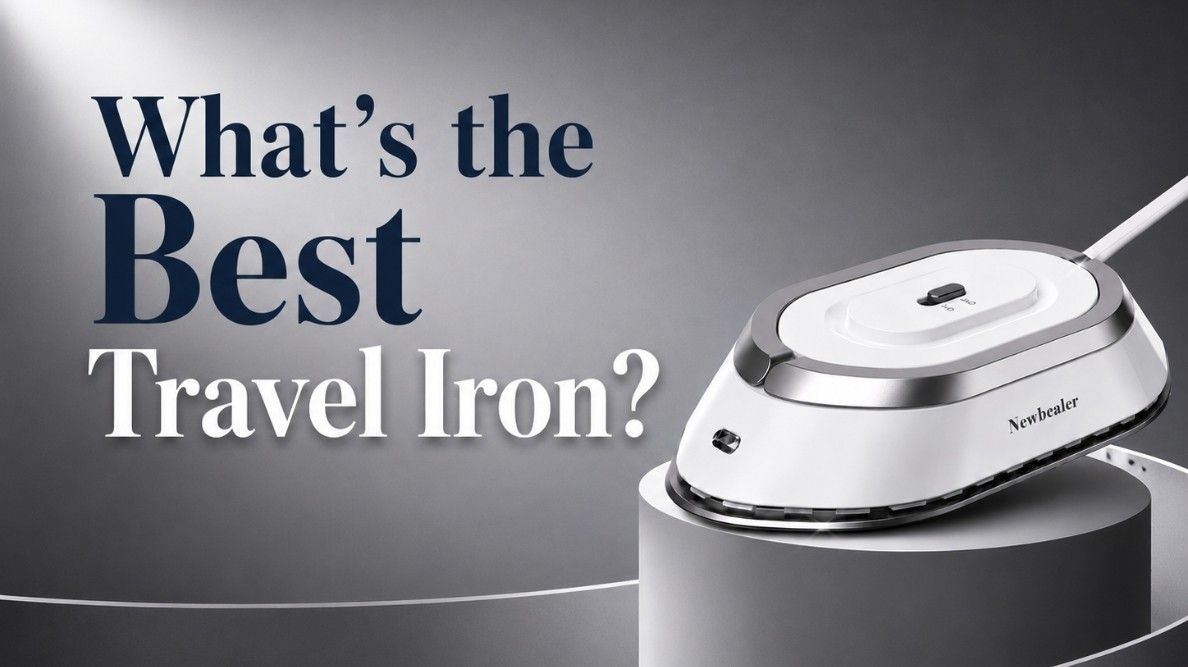
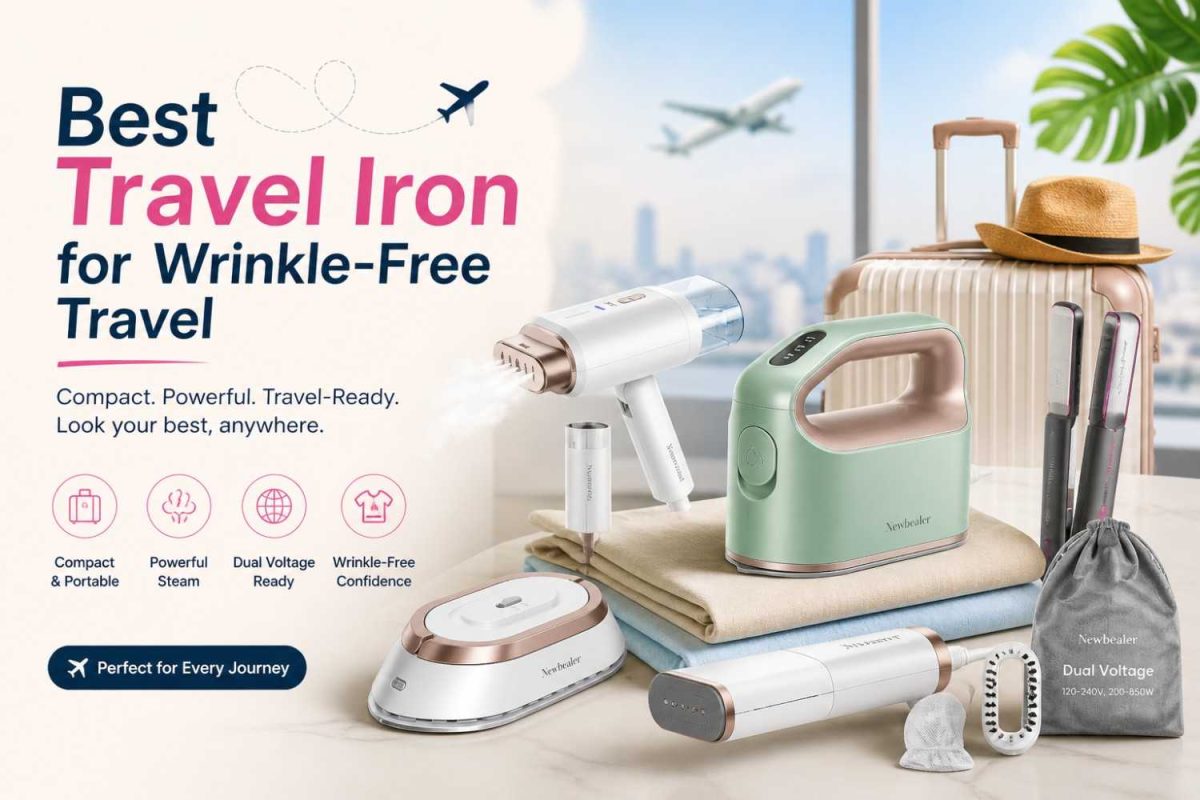
A travel iron is a compact, lightweight clothes iron built to be packed in a suitcase and used wherever you stay. It removes wrinkles with heat, and many models add steam, just like a home iron, but in a much smaller body.
Most travel irons have a folding handle, a small soleplate, and a modest water tank. Many also support dual voltage, so they work in different countries without extra equipment. As a result, they fit easily into a carry-on and heat up faster than a full-size iron.
The best travel iron is not simply the smallest or cheapest one. It is the model that balances size, heat, voltage, and safety for the way you actually travel. The rest of this guide shows you how to judge that balance.
2. Why the Right Travel Iron Matters
A good travel iron gives you control over how you look, no matter where you stay. A poor one wastes luggage space and adds stress to your trip.
Hotel irons are unpredictable. Some are missing, some leak water, and others scorch delicate fabric. A rental apartment or a friend’s guest room may not have an iron at all. Packing your own removes that risk completely.
Five Practical Advantages of Packing Your Own Iron
- Predictable results. You know exactly how your iron heats, glides, and steams.
- Faster turnaround. There is no waiting for a borrowed iron or a front-desk delivery.
- Fabric safety. You control heat and steam settings for shirts, dresses, and linen.
- Works anywhere. Hotels, rentals, and conference rooms are all covered.
- Quick touch-ups. You can fix one garment without setting up a full ironing board.
What a Travel Iron Doesn’t Replace
A travel iron is made for outfits, not for heavy household jobs. Thick bedding, curtains, and large piles of laundry still call for a full-size iron or a professional service. Think of it as a tool for crisp shirts and quick fixes, and it will serve you well.
3. How Does a Travel Iron Work?
A travel iron heats a metal soleplate with an electric element. A thermostat keeps the temperature steady, and steam models turn water from a small tank into steam that exits through vents in the soleplate.
When the hot plate touches fabric, the fibres relax and the wrinkles release. Steam speeds this up because moist heat penetrates the fabric more easily than dry heat alone. That is why linen and cotton respond so well to steam.
Why Heat Control Matters
Different fabrics tolerate different temperatures. Cotton and linen handle high heat, while polyester and silk need much less. Therefore, an iron with adjustable settings, or at least a reliable fabric guide, protects your clothes from shiny marks and burns.
Why Size Changes Your Technique
A smaller soleplate covers less area per stroke. You will need a few more passes than with a full-size iron, so short, even strokes work best. In return, you get a tool that is easy to hold, quick to heat, and simple to store.
4. Key Features of the Best Travel Iron
Not every compact iron is designed with travel in mind. These are the features worth comparing before you buy.
| Feature | What to Look For | Why It Matters |
|---|---|---|
| Voltage | Dual voltage (110V–240V) | Safe use in most countries |
| Size & Weight | Folding handle, light body | Saves space in a carry-on |
| Heat-Up Time | Ready in under a minute | Ideal for quick morning touch-ups |
| Soleplate | Non-stick, smooth glide | Prevents snagging and shiny marks |
| Steam & Dry Modes | Both settings available | Suits different fabric types |
| Auto Shut-Off | Turns off when left idle | Protects against a forgotten, plugged-in iron |
| Water Tank | Small, easy to fill and empty | Keeps weight down and prevents leaks |
Features That Are Nice to Have
Beyond the basics, a few extras make daily use easier. A longer cord helps in hotel rooms with awkward outlets. A padded travel pouch protects the soleplate from scratches. A small measuring cup makes filling the tank cleaner. None of these are essential, but they often separate a good travel iron from a great one.
5. Dual Voltage Explained
Dual voltage means an iron can run on both lower voltages, such as 110V–120V, and higher ones, such as 220V–240V. For international trips, this is the single most important feature to check.
Voltage standards differ between regions. An iron made for one voltage can overheat, trip a fuse, or fail completely when plugged into the wrong supply. A dual-voltage model avoids this problem, so you can use the same iron across multiple countries.
Plug Adapter vs. Voltage Converter
These two items are often confused. A plug adapter only changes the shape of the plug so it fits the wall socket. It does not change the voltage. A voltage converter changes the electricity itself. With a dual-voltage iron, you usually need only the adapter, but you should always confirm the voltage range printed on the iron.
6. Steam vs. Dry Ironing for Travel
Dry ironing gives sharper creases, while steam relaxes stubborn wrinkles. For most people, the best travel iron offers both modes in one compact body.
| Mode | Best For | Keep in Mind |
|---|---|---|
| Dry Ironing | Dress shirts, trousers, cotton blends | Use even strokes for crisp results |
| Steam Ironing | Cotton, linen, and resort wear | Avoid overfilling the tank to prevent drips |
| Both Modes | Mixed wardrobes and varied trips | The most flexible choice for most travelers |
Business travelers often lean toward dry heat because it produces a polished finish on shirts. Leisure travelers, on the other hand, usually benefit from light steam for relaxed fabrics. If you pack both kinds of clothing, a dual-mode iron saves you from compromise.
7. Which Travel Iron Fits Your Trip?
Your trip decides which features deserve priority. A quick weekend away and a multi-country work tour need different things from the same tool.
| Trip Type | Priority Features | Notes |
|---|---|---|
| Business Trips | Fast heat-up, smooth soleplate, dry ironing | Choose a clean glide for dress shirts |
| Vacations | Light weight, light steam, compact fold | Great for linen and cotton resort wear |
| International Travel | Dual voltage, compact size | Confirm your plug adapter separately |
| Frequent Travel | Durable build, auto shut-off, longer cord | Built to handle repeated packing |
Matching a Model to Your Travel Style
Start with your most common trip, then check the features that support it. If you want a deeper look at packing and everyday use, read Newbealer’s guide to the best travel iron for business trips and vacations. When you are ready to compare models, browse the full Newbealer travel iron collection to see which one fits your bag and your schedule.
8. What Mistakes Should You Avoid?
Most buying mistakes come from rushing. A few minutes of checking before you order can save you from a disappointing trip.
- Choosing on price alone. The cheapest option often lacks dual voltage or auto shut-off.
- Buying an oversized iron. A bulky model defeats the purpose of travel.
- Ignoring the soleplate. A rough or sticky plate can snag and mark delicate fabric.
- Skipping safety features. Auto shut-off is a small detail with a big safety benefit.
- Overfilling the tank. Too much water causes drips and spitting on your clothes.
A Common Mistake to Avoid
Many travelers assume that a plug adapter makes any iron safe to use abroad. It does not. The adapter only fits the plug to the socket, and it does nothing about voltage. Always check that the iron itself supports the voltage of your destination before you pack it.
9. How to Choose the Best Travel Iron
The best travel iron for you is dual voltage, compact when folded, quick to heat, and safe to leave on a hotel desk for a moment. Everything else is a bonus.
Six Things to Check Before You Buy
- Voltage range. Confirm dual voltage if you travel internationally, and check the label on the iron itself.
- Folded size. Compare the dimensions with your usual carry-on or packing cube.
- Heat-up time. Under a minute is ideal for busy mornings.
- Soleplate quality. A non-stick, smooth plate glides over shirts without snagging.
- Safety features. Look for auto shut-off and a heat-resistant handle.
- Steam settings and tank size. Pick a model with steam and dry options and a small, leak-resistant tank.
Simple Care Tips for Longer Life
- Empty the tank. Drain all water before you pack the iron away.
- Let it cool. Wait until the soleplate is fully cool before folding it.
- Use distilled water. This helps prevent mineral buildup in hard-water areas.
- Store it in a pouch. A padded pouch protects the soleplate from scratches.
Ready to Find Your Best Travel Iron?
Now that you know what to look for, choose a compact iron that matches your destinations, fabrics, and luggage. Newbealer builds dual-voltage travel irons designed for business trips and vacations alike.
Shop the Best Travel Iron Collection