
Table of Contents
- 1. What Is a Travel Steam Iron (And Why It’s Different From a Steamer)
- 2. Why Every Frequent Traveller Needs One
- 3. Who Actually Needs a Travel Iron?
- 4. What Makes the Best Travel Iron? 7 Buying Criteria
- 5. Travel Steam Iron vs Garment Steamer vs Regular Iron
- 6. Quick Comparison Table
- 7. How to Use a Travel Steam Iron the Right Way
- 8. Fabric-by-Fabric Settings Guide
- 9. Can You Take It on a Flight or Cruise Ship?
- 10. Common Mistakes to Avoid
- 11. Why Newbealer’s Travel Iron Range Stands Out
- 12. Final Verdict
- 13. Frequently Asked Questions
If you’ve ever pulled a wrinkled shirt out of a suitcase ten minutes before a meeting, you already know why finding the best travel iron matters more than most people admit. It’s not a glamorous purchase, but it’s the one packing decision that quietly saves every trip from looking like you slept in your clothes.
The truth is, most “best of” lists online compare random products without explaining what actually makes a travel iron good for travel. So in this guide, we’re doing it properly. We’ll break down exactly what separates the best travel steam iron from a flimsy gadget that leaks water in your bag, how to use one correctly on different fabrics, what airline and cruise rules actually say, and where compact, dual-voltage irons fit into a smart packing routine.
Whether you’re a frequent flyer, a digital nomad living out of a carry-on, or someone who just wants crisp shirts on holiday without hauling a full-size iron, this is the only guide you’ll need. Let’s get into it.
What Is a Travel Steam Iron (And Why It’s Different From a Steamer)
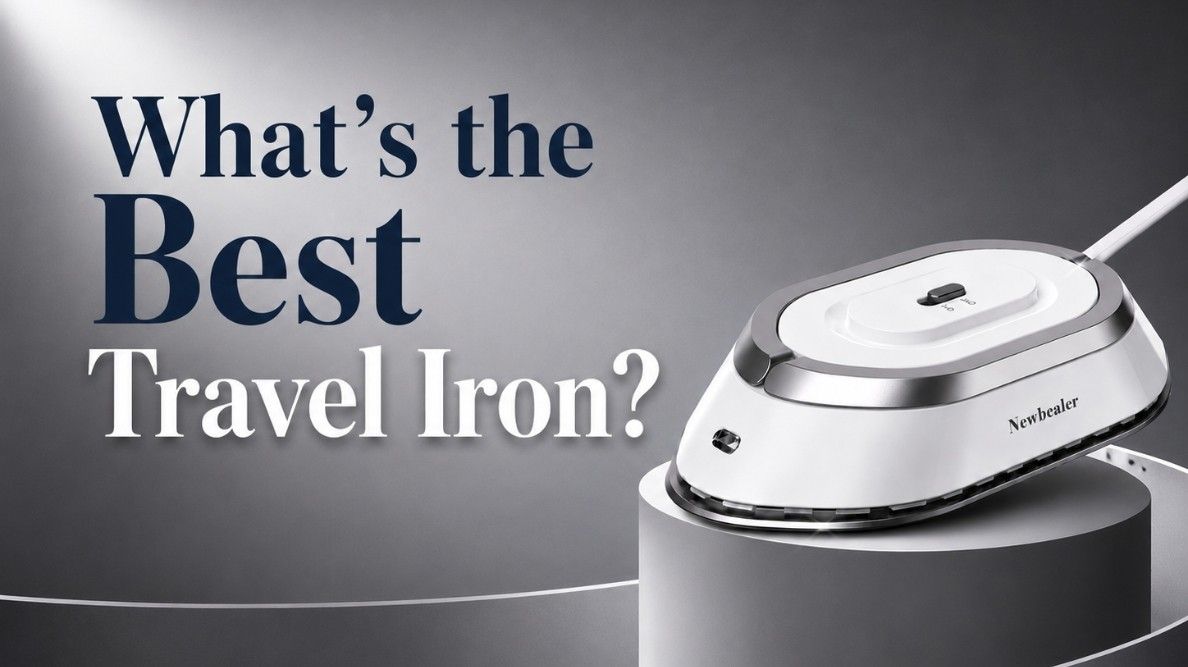
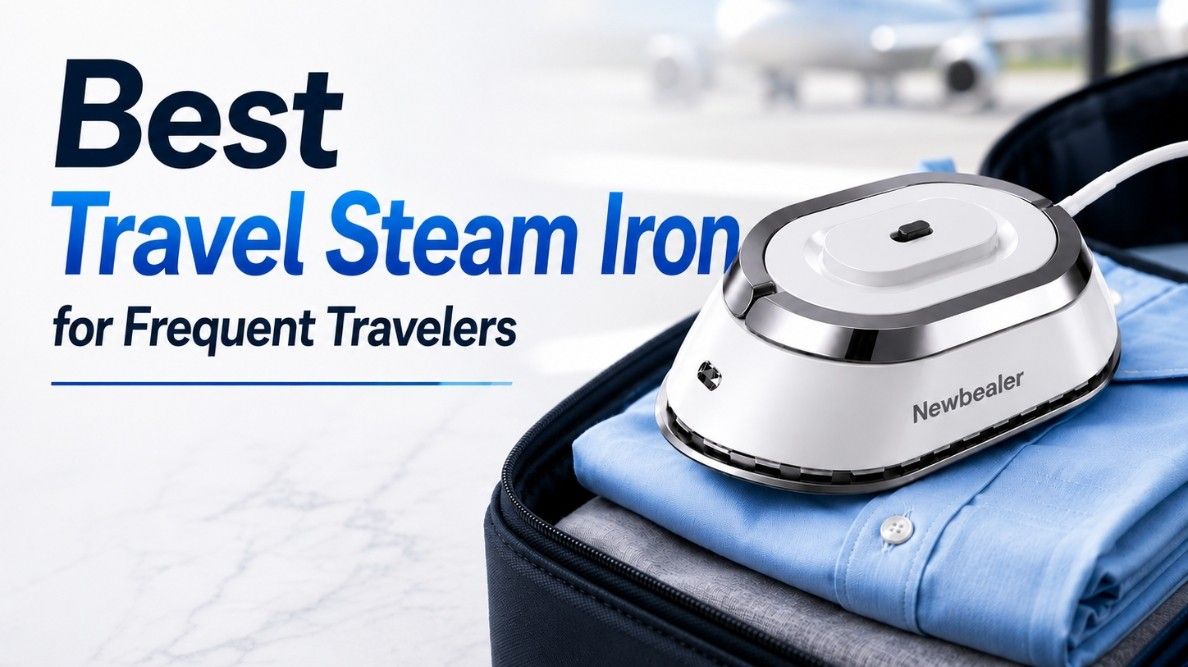
A travel steam iron is a compact, lightweight version of a standard household iron, built specifically to be smaller, lighter, and often dual-voltage so it works in different countries. Unlike a full-size iron, it’s designed to fit inside hand luggage or a packing cube without eating up your weight allowance.
Here’s where a lot of confusion happens online: a travel steam iron and a handheld garment steamer are not the same product, even though many blogs use the terms interchangeably.
- A travel steam iron has a flat soleplate that presses directly against fabric, using both heat and steam, exactly like a regular iron — just smaller.
- A garment steamer has no soleplate at all. It only emits steam, which you wave near the fabric without direct pressing contact.
This distinction matters because it changes what each tool can actually do. If you need crisp, pressed lines on a dress shirt collar or trouser crease, you need the soleplate and pressure that only a proper best travel steam iron provides.
Why Every Frequent Traveller Needs One
It’s easy to assume you’ll just use the hotel iron. In reality, that plan fails more often than it works.
Hotel Irons Are Unreliable
Budget hotels and Airbnbs often skip irons entirely, and the ones provided are frequently old, leaking, or scorching hot with no temperature control.
Packing Always Creates Creases
Even careful folding and rolling techniques leave creases after a long flight or a few days squeezed in a suitcase.
Business and Events Don’t Wait
Business travellers landing for a same-day meeting rarely have time to find an iron, locate an ironing board, and press a full outfit.
A compact, well-made best travel steam iron solves all three problems at once: it’s in your bag, it’s reliable, and it takes under a minute to heat up.
Who Actually Needs a Travel Iron?
Not every traveller needs to add another item to their packing list, so it’s worth being honest about who genuinely benefits from one.
- Business travellers who land and head straight into meetings without time to source an iron or find an ironing board.
- Digital nomads who live out of a suitcase for weeks at a time and need consistent, reliable presentation for client calls or co-working spaces.
- Wedding and event guests who pack formal outfits that crease badly in transit and need a sharp finish on arrival.
- Families on holiday who don’t want to rely on inconsistent hotel equipment for school uniforms, dresses, or smart-casual dinner outfits.
- Minimalist or carry-on-only packers who fold rather than hang their clothes and need a fast fix for the inevitable creases that result.
What Makes the Best Travel Iron? 7 Buying Criteria
Most shoppers compare travel irons purely on price, then end up disappointed when the cheapest option leaks, takes three minutes to heat up, or stops working after a few trips abroad. Before comparing specific products, it helps to know exactly what to look for so you’re judging by the features that actually matter rather than marketing copy. These are the seven factors that separate a genuinely good travel iron from a disappointing one.
1. Dual Voltage Capability (100V–240V)
If you travel internationally, this is non-negotiable. A single-voltage iron can burn out — or in worst cases, become a fire risk — when plugged into the wrong voltage abroad.
2. Weight and Folding Design
Anything under 1kg with a folding handle is ideal. The folding handle specifically protects it from snapping in a packed suitcase.
3. Heat-Up Time
Look for under 60 seconds. A long heat-up time defeats the entire purpose of a quick-press travel solution.
4. Soleplate Material
Ceramic and non-stick coated soleplates glide more smoothly and resist sticking on synthetic fabrics far better than basic aluminium plates.
5. Water Tank Size
Travel irons typically hold 50–100ml. It sounds small, but it’s enough for several garments per fill given the short run time per use.
6. Auto Shut-Off Safety
This is essential for hotel use. It automatically powers down if left idle, which avoids both safety risk and accidental scorch marks.
7. Included Travel Pouch
A heat-resistant pouch lets you pack the iron immediately after use without waiting for it to fully cool, which matters when you’re checking out on a schedule.
Travel Steam Iron vs Garment Steamer vs Regular Iron
This is one of the most searched comparisons, and for good reason — picking the wrong tool means either wasted luggage space or disappointing results. Here’s the honest breakdown.
Choose a travel steam iron [INSERT INTERNAL LINK] if you want crisp, pressed results on shirts, trousers, and structured fabrics. It’s the only option of the three that can create a sharp crease or flatten a stubborn fold.
Choose a garment steamer if you mostly deal with light wrinkles on dresses, delicate fabrics, or ruffled garments where direct pressure could cause damage. It’s gentler but can’t produce a pressed line.
Choose a regular full-size iron only if you’re not flying — it’s heavier, bulkier, and rarely practical for carry-on travel, though it remains the most powerful option for home use.
Quick Comparison Table
| Feature | Travel Steam Iron | Garment Steamer | Regular Iron |
|---|---|---|---|
| Crisp creases & pressed lines | Yes | No | Yes |
| Weight | Light (~0.5–1kg) | Light (~0.5–1kg) | Heavy (1.5–2.5kg) |
| Needs ironing board | No (flat surface works) | No (hanging works) | Yes |
| Heat-up time | 30–60 seconds | 30–60 seconds | 60–90 seconds |
| Best for delicate fabrics | With low-heat setting | Yes | Risky without care |
| Carry-on friendly | Yes | Yes | Rarely |
How to Use a Travel Steam Iron the Right Way
Even the best travel iron will disappoint you if it’s used incorrectly. Here’s the correct process, step by step.
- Check the fabric label first. Every garment has a recommended heat setting — this single step prevents 90% of accidental damage.
- Fill the tank with the correct water. Use filtered or distilled water if you’re in a region with hard tap water, to avoid mineral buildup clogging the steam vents.
- Let it fully heat up. Wait for the indicator light, even though it only takes under a minute — pressing too early causes uneven results.
- Iron on a flat, heat-safe surface. A folded towel on a hotel desk or dresser works perfectly if there’s no ironing board.
- Use steady, overlapping strokes. Move the iron in one direction rather than scrubbing back and forth, which can stretch certain fabrics.
- Empty the tank after use. Leftover water sitting in the tank during transit is the most common cause of leaks inside luggage.
- Let it cool before packing. Even with a heat-resistant pouch, give it two to three minutes before zipping it away.
Fabric-by-Fabric Settings Guide
Different fabrics react very differently to heat, and this is where most travel ironing mistakes happen. Use this as a quick reference.
- Cotton and linen: Can take high heat and benefit from steam to remove deep creases. These are the most forgiving fabrics for travel irons.
- Polyester and synthetic blends: Use a low-to-medium setting. High heat can cause the fabric to shine or even melt slightly against the soleplate.
- Silk: Always use the lowest heat setting and iron on the reverse side to avoid water spotting or scorching.
- Wool: Use medium heat with steam, and ideally iron through a thin cloth barrier to protect the fibres.
- Denim: High heat works well, but expect to spend a little longer per garment since denim holds creases more stubbornly.
Can You Take It on a Flight or Cruise Ship?
This is one of the most common search questions, and the rules differ depending on how you’re travelling.
On flights: Travel irons are generally permitted in both checked and carry-on luggage, since they don’t fall under restricted electronics or lithium battery rules. Always empty the water tank fully before flying — TSA and most international security checkpoints prefer liquids removed, and an empty tank also prevents leaks from cabin pressure changes.
On cruise ships: Most major cruise lines explicitly prohibit standard irons in cabins due to fire risk, but this restriction is usually aimed at full-size or steam-generator irons, not always compact travel versions. Policies vary by cruise line and change periodically, so it’s worth checking your specific cruise line’s prohibited items list before sailing, or simply using the onboard laundry/pressing service if one is offered.
Common Mistakes to Avoid
A travel iron is a simple tool, but small habits make a big difference in how long it lasts and how well it performs trip after trip. Here are the mistakes that come up most often.
Packing it while still wet inside
This is the number one cause of musty smells and rust spots on the soleplate over time.
Ignoring voltage compatibility
Plugging a single-voltage iron into the wrong region’s outlet can permanently damage it within seconds.
Using tap water with high mineral content
This clogs the steam vents over months of use and shortens the iron’s lifespan.
Skipping the fabric label check
Applying high heat to a synthetic blend without checking the label first is the most common cause of accidental shine marks or scorching.
Why Newbealer’s Travel Iron Range Stands Out
Going back to those seven buying criteria, this is exactly where Newbealer’s travel iron collection [INSERT INTERNAL LINK] was designed with purpose rather than guesswork.
Fast Heat-Up
Ready to press in under a minute, so you’re never waiting around before a meeting or check-out.
Compact, Foldable Build
Designed to slide into a packing cube or carry-on side pocket without adding noticeable weight.
Non-Stick Ceramic Soleplate
Glides smoothly across both delicate and structured fabrics without dragging or sticking.
Built-In Safety Shut-Off
Peace of mind for hotel use, with automatic power-down if left unattended.
If you’re comparing every option on this list against your own travel habits, browsing the full Newbealer travel iron category is the fastest way to find the right fit for your luggage size, voltage needs, and fabric types.
Final Verdict
There’s no single “best” answer that fits every traveller, but there is a clear formula: if you want sharp, pressed results without lugging around a full-size iron, a compact dual-voltage travel iron with a ceramic soleplate and auto shut-off is the safest, most reliable choice available right now.
A garment steamer works as a lighter-touch alternative for delicate fabrics, but it won’t replace the crisp finish a proper iron delivers. Whichever you choose, the goal is the same — stepping off a flight or out of a hotel room looking like you didn’t just travel for six hours, ready for whatever the trip throws at you next.