

Introduction
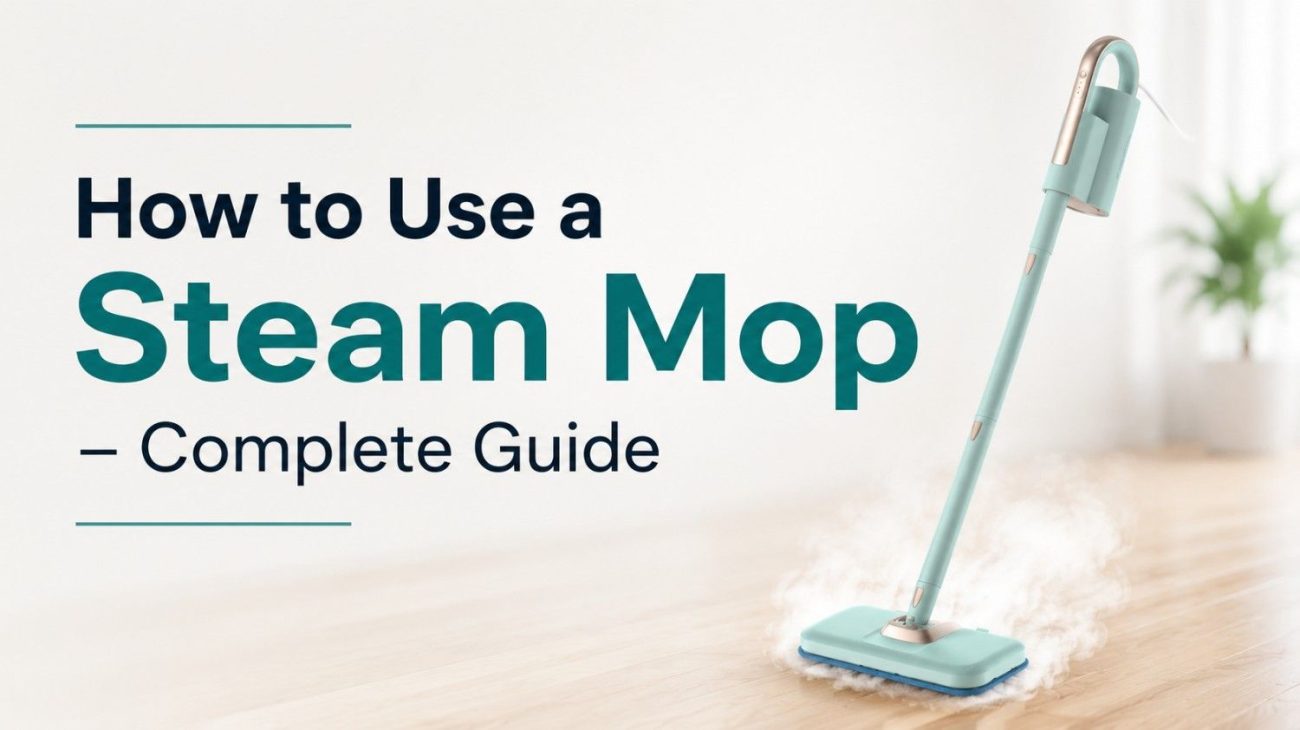
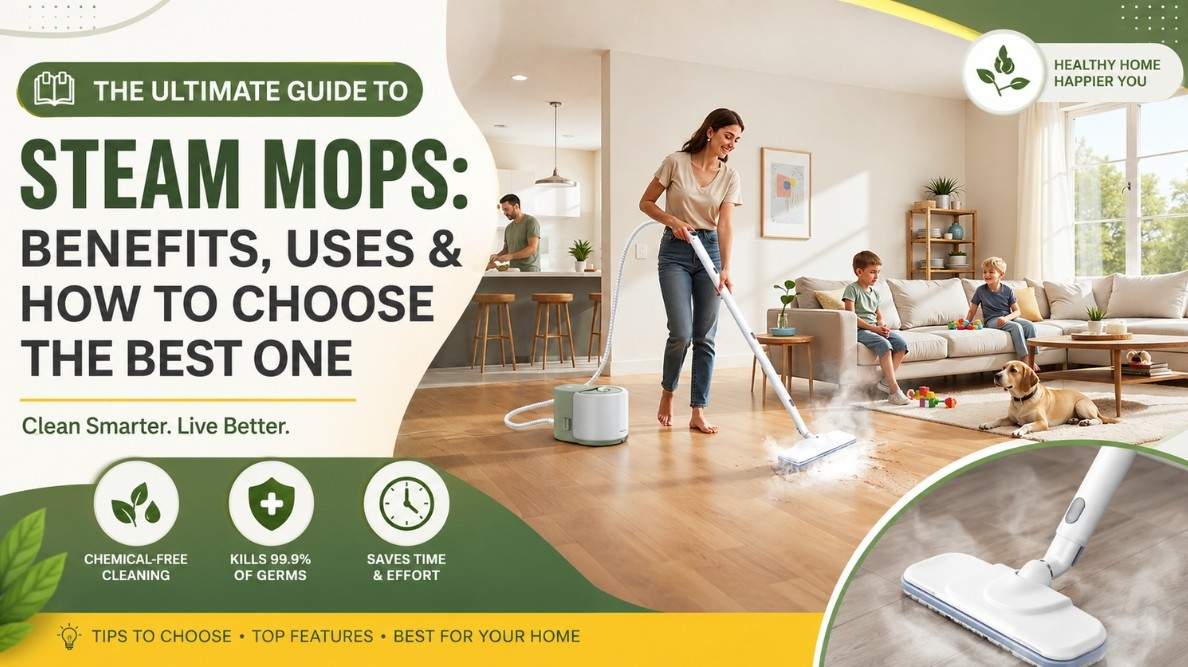
If you have been scrubbing hard floors the old-fashioned way — bucket, mop, chemical cleaners — it is time for an upgrade. A steam mop transforms floor cleaning into a fast, hygienic, and completely chemical-free routine. Whether you have tile, sealed hardwood, vinyl, or laminate, the right best steam mop for your home will save you time, money, and unnecessary exposure to harsh products. This guide explains exactly what a steam mop is, how it works, what makes one model better than another, and how to get the most out of whichever unit you choose.
What Is a Steam Mop?
A steam mop is an electric floor-cleaning appliance that heats water to between 120 °C and 150 °C inside a sealed tank, converting it to pressurised steam. That steam is pushed through the mop head and distributed across a washable microfiber pad, which lifts loosened dirt, grease, and bacteria off your floor surface. The result is a genuinely sanitised floor that dries within minutes — no chemical residue, no bucket of dirty water, no harsh smells.
1. Heat
Water is converted to pressurised steam at up to 150 °C inside the sealed tank.
2. Loosen
Steam softens grease, grime, and bacteria stuck to your floor surface.
3. Lift
The microfiber pad traps and removes all loosened debris in one smooth pass.
Why a Steam Mop Beats Traditional Mopping
The traditional mop-and-bucket method has two fundamental problems: it spreads dirty water across your floor, and it relies on chemical detergents that leave residue behind. A steam mop eliminates both issues entirely. Here is what that means in practice for your household.
Cleans with water only — no detergents, no bleach, no fragrances left on the floor.
Steam evaporates rapidly, leaving floors nearly dry immediately after cleaning.
High-temperature steam removes common household bacteria and allergens when used correctly.
Washable pads and water only — no ongoing spend on cleaning products or disposable pads.
No chemical residue means floors are safe as soon as they are dry — usually within minutes.
Steam neutralises odour-causing bacteria at the source rather than masking smells.
What Floors Can You Use a Steam Mop On?
Getting this right matters. Steam mops are designed for sealed hard floors. If your floor surface is sealed, you are almost certainly fine. If it is unsealed, porous, or waxed, steam can cause irreversible damage.
Safe Floor Types
- ✔ Ceramic & porcelain tile
- ✔ Sealed hardwood
- ✔ Sealed laminate
- ✔ Vinyl & LVT flooring
- ✔ Sealed natural stone
Floors to Avoid
- ✖ Unsealed hardwood
- ✖ Waxed floors
- ✖ Unsealed laminate
- ✖ Unsealed natural stone
- ✖ Carpets (without glider)
Types of Steam Mop — Which One Suits You?
Not all steam mops are the same. The range available at Newbealers covers every use case, from lightweight daily-use uprights to powerful multi-function units built for whole-home deep cleans.
Upright Steam Mops
The most popular choice for everyday floor maintenance. Lightweight, simple to operate, and easy to store upright. Ideal for kitchens, living rooms, and hallways.
Multi-Function Steam Mops
Combines floor-cleaning capability with a detachable handheld unit. Tackle floors, grout, ovens, upholstery, and windows from one appliance — excellent value for families.
Cylinder Steam Cleaners
Powerful units with higher steam pressure and a wider range of attachments. Best for homes with extensive tile, problem grout, or multiple room types needing deep sanitisation.
Cordless Steam Mops
Maximum manoeuvrability with no cord to manage. Perfect for quick clean-ups and smaller homes, though runtime is limited by battery capacity.
How to Choose the Best Steam Mop for Your Home
Finding the best steam mop for your specific needs comes down to five practical considerations. Run through each one before deciding.
5 KEY FACTORS TO CONSIDER
Higher pressure = deeper grout and tile cleaning.
Larger tanks handle bigger homes without refilling mid-clean.
Look for 20–45 seconds. Anything slower adds unnecessary friction.
Lower settings protect delicate floors; high settings tackle tile.
Grout brushes, carpet gliders, and window tools multiply value.
How to Use a Steam Mop — Step by Step
Getting the right technique takes less than a minute to learn and makes a significant difference in results, especially on grout lines and stubborn stains.
-
1Fill the tank with distilled or demineralised water. Tap water is usable but increases limescale build-up over time, especially in hard water areas.
-
2Attach a clean microfiber pad securely to the mop head. Always start with a fresh pad — a soiled pad redistributes dirt rather than removing it.
-
3Allow the unit to heat up for 20 to 45 seconds. Most models signal when they are ready with an indicator light or an audible click.
-
4Select the right steam setting. Use low steam for sealed hardwood and laminate; medium or high steam for tile, stone, and grout lines.
-
5Mop in slow, overlapping strokes. Do not hold the mop stationary in one spot — keep it moving to avoid over-saturating any area of the floor.
-
6Empty and dry the tank after every use. Leaving standing water inside shortens the life of the appliance and encourages limescale build-up.
Descale your steam mop every 4 to 8 weeks if you live in a hard water area. Inspect the steam nozzles for mineral build-up if you notice a drop in steam output. Wash microfiber pads after every session — most are machine washable.
Frequently Asked Questions
Are steam mops worth it?
Yes — particularly for homes with hard flooring, children, or pets. The combination of chemical-free sanitisation, fast drying time, and low running costs makes them significantly better value than traditional mopping systems over the long term.
Can you use a steam mop on hardwood floors?
Yes, but only on sealed hardwood floors. Always set the steam output to the lowest available setting and keep the mop moving. Unsealed hardwood will absorb the moisture and may warp or discolour.
Do steam mops leave floors wet?
No. Because steam is a vapour rather than a liquid, the floor typically dries within 1 to 3 minutes. This is one of the key practical advantages over traditional mopping.
How long does a steam mop last?
A quality steam mop from a reputable brand will typically last between 3 and 7 years with proper maintenance — especially regular descaling and correct pad washing.
How often should you steam mop?
Once a week is sufficient for most households. Kitchens and bathrooms benefit from two to three times per week. Homes with pets or young children may require daily cleaning of high-traffic areas.
Final Thoughts
A steam mop is one of the most practical upgrades you can make to your home cleaning routine. It delivers faster results, more thorough sanitisation, and a genuinely chemical-free finish — all from a single appliance that only needs water to operate. Whether you are managing a household with young children, dealing with pet odours on a regular basis, or simply trying to reduce your reliance on chemical cleaning products, the right best steam mop will meet that need efficiently and cost-effectively.
The key is matching the model to your floor type, home size, and cleaning habits. Take the time to compare steam pressure, tank capacity, heat-up time, and available attachments before purchasing — and always verify that your floor surfaces are sealed and compatible with steam before first use.
Ready to Upgrade Your Cleaning Routine?
Browse the full range of top-rated steam mops at Newbealers — carefully selected for performance, durability, and value across every floor type and household size.